50% off coworking and meeting rooms in our new innovation station
50% off coworking and meeting rooms in our new innovation station
Find out more
In this guide, discover the four key ways flexible workspaces improve productivity and our top tips on how to maximise them.
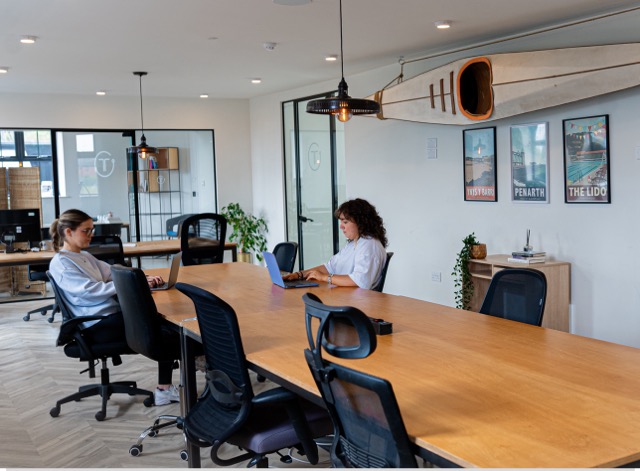
The shift away from the traditional 9-5 office has been substantial over the last few years, with the CIPD reporting that more than 91% of companies now offer some form of flexible working. This highlights that workplace flexibility is rising in demand across all areas of the business, from startups and small businesses to large corporations.
Despite its evident popularity, business owners still ask the same question: ‘How do flexible workspaces improve productivity?’. Understandably, there can be concerns about productivity when employees aren’t in the office full-time or are in charge of their own working hours.
However, studies have shown that flexible working makes 74% employees feel more productive. In this blog, we’ll explore how flexible workspaces make people improve productivity, how to maximise productivity in your workplace, and how to find the best flexible space for you.
Flexible workspaces, also known as coworking spaces, hot desking, or hybrid offices, are hubs for innovation and community. They differ from stereotypical, traditional offices as they easily provide modern business solutions, especially for startups and SMEs, from short leases and shared amenities to accessible scalability and networking opportunities. Flexible workspaces are cost-effective and allow businesses to be adaptable.
One of the other key benefits of flexible workspaces is that they enhance productivity. But how exactly do they do this? Let’s take a closer look at how these types of workspaces help with productivity.

Whether you’re a business owner or an employee, flexible working makes 76% of people feel more motivated, and this is in part due to the increased autonomy. This is because businesses that utilise flexible workspaces, like Tramshed Tech, allow you to work when and where suits you best, which instils a higher sense of motivation and ownership of tasks and projects.
As a result of less micromanagement, staff retention and engagement are positively impacted, as they feel as though they are trusted to complete tasks to a high standard without constant supervision.
This may not seem like a big deal, but persistent long commutes can take a large mental and physical toll on your mind and body, and when you’re not feeling your best, you're not producing the best results.
68% of hybrid workers said they felt less stressed once they had more flexibility. As a result, without the worry of long commutes, employees have a better work-life balance, lowering the risk of burnout and ensuring they have more energy and focus at work so they can be optimally productive.
It’s a common misconception that flexible workspaces are loud and that it’s difficult to get work done; the reality is very different. Modern flexible workspaces provide a wide range of working environments to suit your needs, from quiet zones to collaboration spaces and breakout areas.
In fact, those who use flexible workspaces demonstrate 20% higher task completion than those working from a home office. This is because flexible workspaces have fewer distractions alongside other factors such as better lighting, tech, and working setups.
Especially for startups and SMEs, flexible workspaces offer the opportunity to be in proximity to other teams, founders, and industries, allowing for informal knowledge sharing and problem-solving. Coworking members report a 46% improvement not only in productivity, but also in business connections and idea generation.
This unlimited access to a network of mentors and investors allows the businesses to steadily scale up, which, in combination with the cost-effectiveness of flexible workspaces, provides the motivation needed to be successful.
It also provides a dedicated space for your team to come together and collaborate in-person, helping to build working relationships and culture without the rigid structures of a traditional office. In turn, this creates a sense of community and combats isolation, an issue with full-time at-home working models.
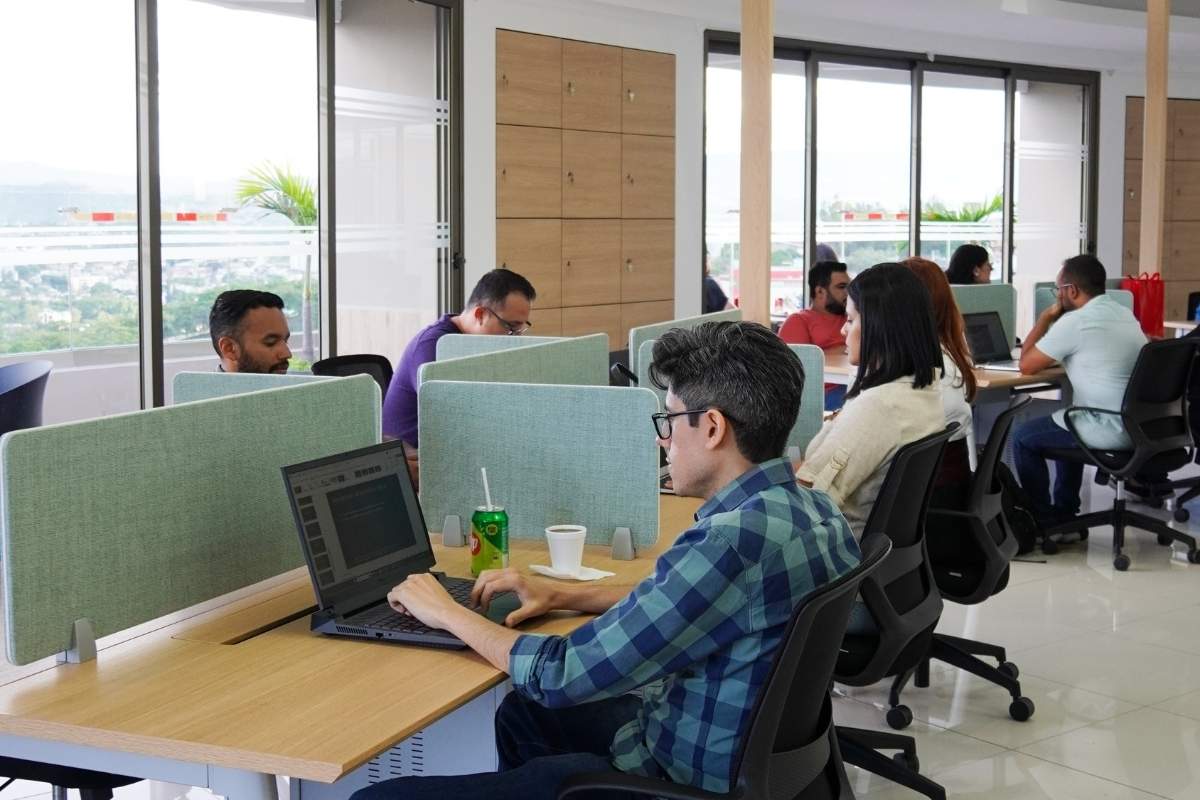
How do you make the most of this opportunity and maximise productivity in flexible workspaces? Here’s a checklist on ways to ensure productivity is always high:
We hope you found this guide helpful and can see the benefits of using a flexible workspace for improved productivity. At Tramshed Tech, we’ve been supporting startups and SMEs for nearly ten years through our flexible workspaces, events, and ventures.
With spaces readily available in our Newport and Swansea locations, you could start boosting your teams’ productivity today! To find out more about our services, get in touch with our team on 029 2010 3090.